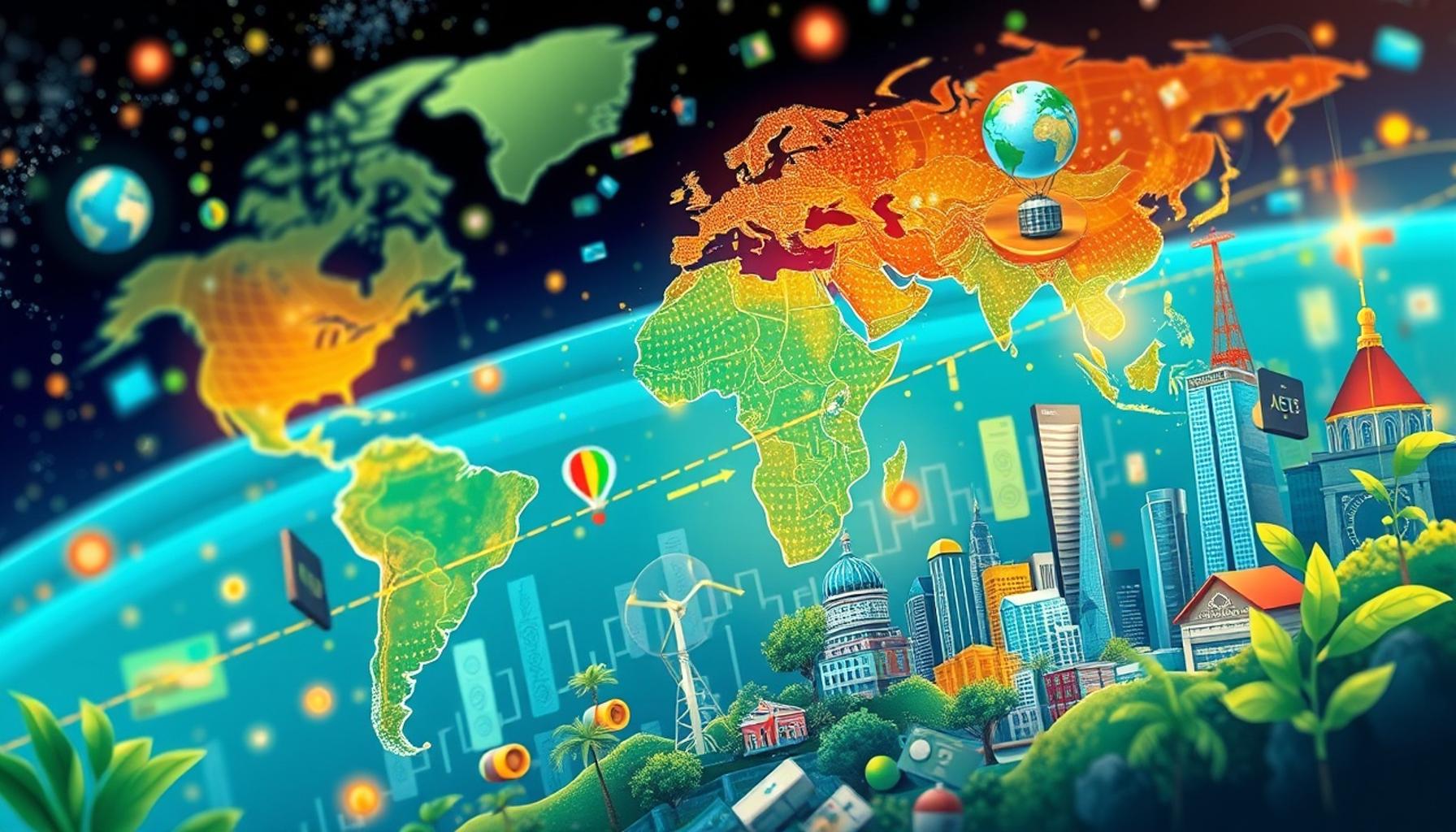
The influence of emerging technologies on digital diplomacy and communication between nations
The Role of Emerging Technologies in International Relations
As the world becomes increasingly interconnected, emerging technologies are reshaping the way nations interact. The rapid adoption of tools such as social media, artificial intelligence, and video conferencing has redefined the essence of diplomacy. Traditional methods, characterized by face-to-face meetings and formal correspondence, now coexist with innovative digital platforms that enhance communication and influence.
Social Media: A New Diplomatic Tool
Social media platforms like Twitter and Facebook are no longer just platforms for personal expression; they have evolved into powerful diplomatic tools. For instance, leaders can bypass traditional media filters and communicate directly with citizens and other world leaders. A notable example is U.S. President Donald Trump, who frequently used Twitter to announce policy changes or respond to global events, often creating immediate reactions and discussions worldwide. This direct line of communication can mobilize public opinion, shape narratives, and foster a sense of immediacy in diplomatic engagements.
Artificial Intelligence: Enhancing Understanding
Artificial Intelligence (AI) is transforming how diplomats gauge public sentiment and analyze geopolitical dynamics. AI-driven tools can sift through vast amounts of data from social media and news articles to provide insights into public opinion trends. For example, during electoral campaigns, countries like India and the United States have leveraged AI tools to understand voter behavior and adapt their messaging strategies accordingly. This analytical capacity allows nations to craft messages that resonate with their audiences, making their diplomatic efforts more effective.
Video Conferencing: Breaking Geographical Barriers
Video conferencing has dramatically altered the landscape of international negotiations. Platforms such as Zoom and Skype have made it possible for diplomats to engage in real-time discussions without the constraints of travel. In the wake of the COVID-19 pandemic, many international summits were conducted virtually, showcasing how technology can maintain diplomatic dialogues even in challenging circumstances. This tech-facilitated approach offers logistical advantages, reduces costs, and allows for participation from a wider array of countries and stakeholders, enriching global conversations.
Challenges in the Digital Era
While these emerging technologies present significant opportunities, they also bring forth challenges. Misinformation campaigns can rapidly spread false narratives, undermining trust among nations and complicating diplomatic efforts. For instance, during various election cycles, disinformation tactics have aimed to disrupt political stability, echoing through digital channels and influencing public perception. Additionally, cybersecurity threats pose risks to sensitive diplomatic communications, highlighting the need for robust security measures in all digital engagements.
In conclusion, understanding the integration of emerging technologies in international relations is crucial for navigating the complex landscape of global diplomacy. As nations leverage these tools to enhance their engagement, they must also remain vigilant about the accompanying risks. The future of international relations will likely depend on a careful balance between innovation and security, creating a dynamic that defines global interaction for years to come.
LEARN MORE: Click here for a detailed guide on applying for a Citibank credit card
Transforming Diplomatic Engagements Through Technology
The rise of emerging technologies is not merely an enhancement to existing processes; it represents a fundamental shift in how nations conduct diplomacy and foster relationships. Digital diplomacy, as this modern approach is often called, leverages the capabilities of technology to engage in dialogue, negotiate agreements, and respond effectively to global issues. Importantly, this transformation extends beyond mere communication; it also involves a redefinition of power dynamics and influence in international affairs.
Real-Time Interaction and Public Engagement
One of the most striking impacts of emerging technologies on digital diplomacy is the ability for real-time interactions. Unlike the days when nations relied on lengthy correspondence, diplomats can now engage with their counterparts and citizens almost instantaneously. This immediacy fosters a more dynamic and responsive environment, which is critical during crises or sensitive negotiations. For instance, during natural disasters, governments can quickly coordinate relief efforts using social media to rally support, share information, and mobilize resources across borders.
Furthermore, technology allows countries to engage their citizens in the diplomatic process, fostering greater transparency and trust. For example, the State Department of the United States has utilized platforms such as Facebook and Twitter to host “town hall” discussions where citizens can voice their concerns and pose questions directly to diplomats. This two-way communication enhances public understanding of foreign policy decisions and encourages civic participation in global conversations.
Advantages of Digital Tools in Diplomacy
The shift to digital diplomacy brings several advantages that strengthen international communication. Below are some key benefits:
- Cost Efficiency: Virtual meetings significantly reduce travel expenses associated with traditional diplomatic missions, allowing nations to allocate resources elsewhere.
- Inclusivity: Technology enables broader participation in international dialogues, especially for smaller nations or marginalized voices that may struggle to have their concerns heard in conventional settings.
- Persistent Connectivity: Emerging technologies foster continuous connections among nations, facilitating ongoing dialogues that help build relationships and foster understanding.
- Data-Driven Decisions: Access to data analytics enables diplomats to tailor their messages effectively, ensuring their communications resonate with specific audiences.
Shifting Power Dynamics in Diplomacy
As emerging technologies democratize information, they can alter existing power dynamics within the global arena. Countries, regardless of size or economic stature, now have access to the same technological tools to convey their viewpoints and influence public opinion. For example, smaller nations often exploit social media to spotlight their issues, gaining attention that might have eluded them in traditional diplomatic channels.
This leveling of the playing field can lead to both opportunities and challenges. While it allows smaller nations to amplify their voices, it also instigates a complex scenario where misinformation can easily thrive. Countries must therefore navigate this new reality carefully, balancing their message delivery while combating the risks posed by disinformation that proliferates through the same digital channels.
In conclusion, the integration of emerging technologies in digital diplomacy is reshaping international relations in profound ways. By embracing these innovations, nations can enhance their diplomatic efforts, but they must also prepare to confront the challenges accompanying this digital evolution. Ultimately, the future of diplomacy will likely hinge on how effectively nations can adapt to this rapidly changing landscape.
DISCOVER MORE: Click here to find out how to apply
Enhancing Collaboration Through Technological Integration
The landscape of international diplomacy is increasingly characterized by collaboration facilitated through emerging technologies. As digital platforms expand, they not only serve as tools for communication but also as vital spaces for collaboration between nations. Advances in technologies such as artificial intelligence (AI), big data, and blockchain are enhancing the ability of countries to work together to address global challenges. This collective approach is especially evident in issues such as climate change, public health, and cybersecurity, where shared knowledge and resources are indispensable.
Collective Responses to Global Challenges
In recent years, the world has witnessed how emerging technologies have enabled more effective collective responses to global challenges. For example, during the COVID-19 pandemic, countries utilized digital technologies to collaborate on research for vaccines and treatments. Platforms such as the Global Health Crisis Dashboard were developed to share real-time data on disease transmission, which facilitated informed decision-making among nations. This collaboration extended beyond governments, involving the private sector and civil society, demonstrating the potential of technology to unite diverse stakeholders in a common cause.
Moreover, initiatives like the Open Government Partnership leverage technology to promote transparency and participation, allowing governments to work closely with citizens and non-governmental organizations in shaping policies. By utilizing digital tools that support collaborative platforms, nations can tap into a wider pool of expertise, ultimately enriching policy discussions with varied perspectives.
Transforming Multilateral Diplomacy
The influence of emerging technologies extends to transforming traditional multilateral diplomacy. Platforms such as webinars, video conferencing, and virtual summits have become the norm for international gatherings, enabling participation from officials who might otherwise face travel restrictions or financial barriers. For instance, the United Nations has adapted by hosting virtual meetings that allow representatives from all member states to engage in dialogues on critical issues without the need for in-person attendance.
This development has considerable implications for how countries build alliances and participate in multilateral frameworks. Nations can now engage in discussions with their peers on a more frequent basis, fostering relationships that can lead to greater cooperation on pressing global matters. However, it is important for diplomats to be mindful of the nuances of virtual communication, such as differing time zones and digital etiquette, to ensure effective engagement.
Challenges in the Digital Diplomacy Sphere
Despite the many advantages that emerging technologies bring, digital diplomacy also presents formidable challenges. The increasing reliance on digital communication raises concerns regarding security and privacy. Cybersecurity threats can compromise sensitive diplomatic communications, potentially leading to significant breaches of trust between nations. Moreover, as diplomats navigate social media platforms, they must contend with the challenges of misinformation and cyber propaganda that can easily distort messages or sway public opinion.
Additionally, there exists the risk of creating digital divides between nations, particularly between developed and developing countries. Nations with limited technological infrastructure may struggle to participate fully in digital diplomatic processes, leading to an imbalance in power where only a select few can engage effectively in international dialogues. Addressing these disparities is crucial to ensure that all nations can leverage technology as a tool for diplomacy rather than as an obstacle.
As the world increasingly moves toward a digital-first approach in international relations, it becomes essential for diplomats to be equipped with the requisite skills to navigate this evolving landscape. By fostering an understanding of technological tools and their implications, nations can enhance their capabilities in diplomatic engagements and create a collaborative environment that benefits all parties involved.
DISCOVER MORE: Click here to find out how
Conclusion
In summary, the impact of emerging technologies on digital diplomacy is profound and transformative. As nations increasingly turn to digital tools for communication and collaboration, technologies such as artificial intelligence, big data, and blockchain have become essential in addressing global challenges. When countries unite through innovative platforms, they can more effectively tackle pressing issues like climate change and health crises, demonstrating that technology is not merely a tool but a bridge for collective action.
Moreover, the evolution of multilateral diplomacy through virtual meetings and webinars reshapes how nations engage with one another. It fosters more frequent communication and collaboration among diplomats, which can lead to strengthened alliances and more effective strategies. However, diplomats must be aware of the unique challenges posed by digital communication, including cybersecurity risks and the potential for misinformation.
Lastly, it is crucial to acknowledge the disparities in technology access between developed and developing nations. Ensuring equitable participation in digital diplomacy is vital for a balanced international dialogue. As we embrace a digital-first approach, equipping diplomats with the necessary skills to navigate technology will be crucial for achieving diplomatic success in this new landscape.
The future of digital diplomacy appears bright, offering opportunities for enhanced communication and collaboration among nations. By fostering inclusivity and embracing technological advancements, countries can work together more effectively, ultimately leading to a more harmonious and cooperative global community.

Linda Carter
Linda Carter is a writer and expert known for producing clear, engaging, and easy-to-understand content. With solid experience guiding people in achieving their goals, she shares valuable insights and practical guidance. Her mission is to support readers in making informed choices and achieving significant progress.