The impact of artificial intelligence on the 2024 elections in the United States
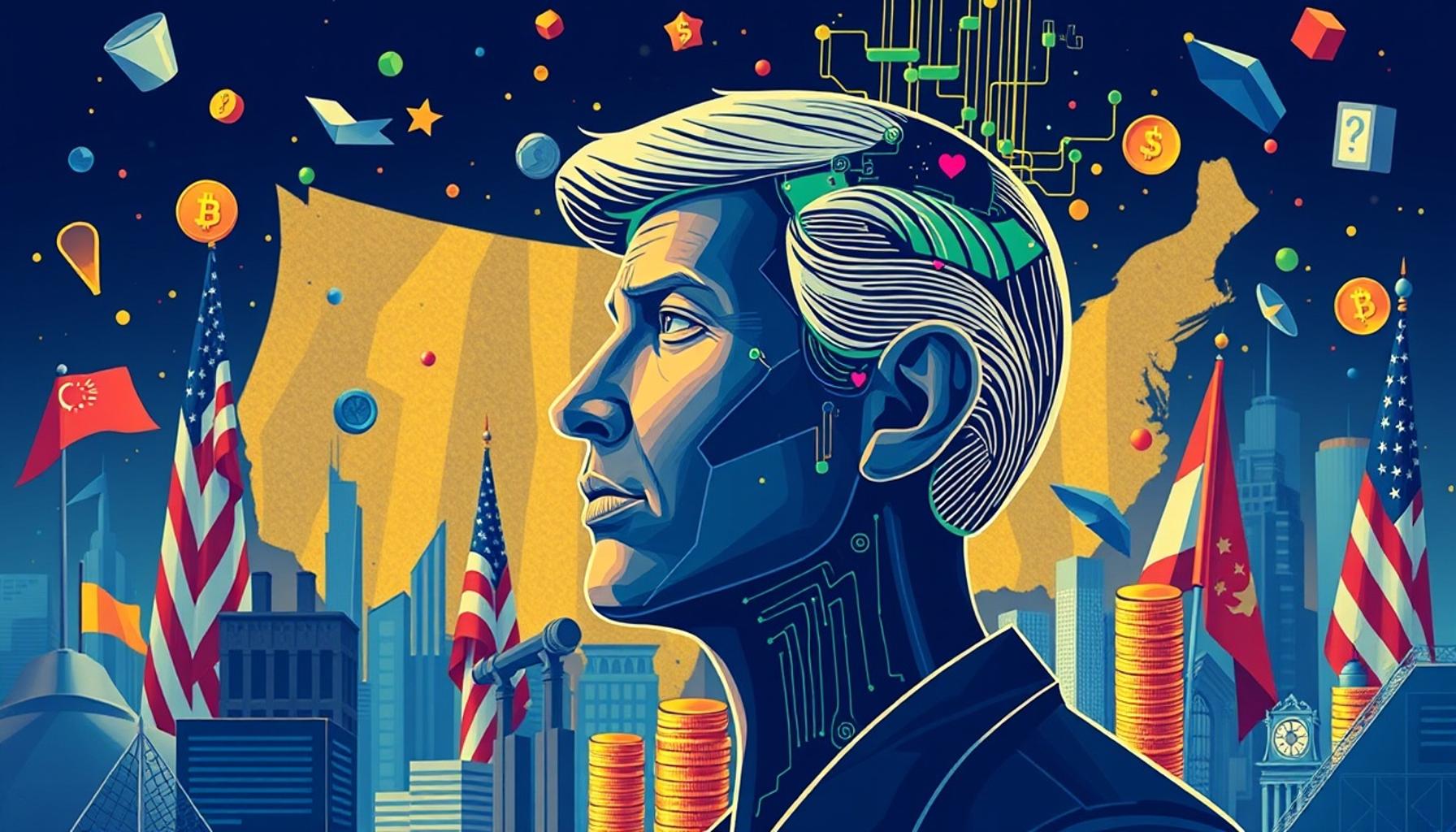
Transforming Elections through AI Technology
The role of artificial intelligence (AI) in shaping electoral processes is becoming increasingly evident as technologies evolve and deepen. In the context of U.S. elections, AI tools not only enhance the way campaigns are managed but also affect how voters engage with candidates and their policies. As we near the pivotal 2024 elections, grasping these technological shifts is essential for both candidates aiming for office and voters participating in the democratic process.
Key Areas of AI Impact
- Data Analysis: AI excels in analyzing data on an unprecedented scale. Political analysts can use AI algorithms to sift through vast datasets, identifying voting patterns, demographic insights, and emerging trends. For example, AI can analyze census data alongside local issues to segment voters based on their preferences, which helps campaigns craft messages that resonate more effectively with specific groups.
- Targeted Advertising: In an age where attention is a limited resource, AI enables campaigns to deliver highly personalized messages. By employing machine learning techniques, campaigns can create ads tailored to different demographics, whether based on age, geographical location, or even specific interests inferred from past online behavior. For instance, a campaign might target younger voters with social media ads focusing on climate change, while sending more traditional outreach to older demographics concerning healthcare reforms.
- Social Media Monitoring: Social media is a powerful barometer of public sentiment. AI tools equipped with natural language processing can analyze comments, shares, and posts in real time, gauging how voters feel about various candidates and issues. This allows campaigns to quickly adjust strategies and messaging based on current voter sentiment and engagement levels, which has become crucial in a fast-paced electoral environment.
- Debate Assistance: For candidates, preparation is key, and AI can provide crucial support. By analyzing previous debates’ performances of opponents, AI tools can identify strengths and weaknesses, helping candidates prepare more effectively. This includes dissecting rhetorical styles, common arguments, and potential weaknesses that can be strategically exploited during live discussions.
Ethical Considerations and Civic Engagement
As these transformative AI technologies continue to be integrated into the electoral process, it raises pressing questions regarding transparency, ethics, and equity. While AI has the potential to enhance civic engagement by making information more accessible and personalized, there is a risk that it could exacerbate existing divides. For example, if certain groups are able to harness AI for better outreach and advertising while others lack resources, this could lead to an uneven playing field in elections.
These advancements compel us to reflect on our civic responsibilities, as voters, but also challenge campaigns to commit to ethical practices. Will the advantages of AI usher in a new era of engaged and informed citizens, or will it contribute to manipulation and division? These questions are integral as we move forward into what promises to be a pivotal election year.
In the subsequent sections, we will further explore these topics, examining how AI is not just a tool but a transformative element reshaping the electoral landscape of the United States as we approach the 2024 elections.
DISCOVER MORE: Click here for the complete guide
Understanding AI’s Role in Political Campaigns
As we delve into the core functions of artificial intelligence in the U.S. elections, it is essential to grasp how these technologies can fundamentally change the landscape of political campaigning. The effectiveness of a campaign can often hinge on the ability to understand, predict, and respond to voter behavior. With AI, political strategies can become not just reactive, but also highly proactive.
Enhanced Voter Targeting
One of the critical breakthroughs AI offers is the ability to enhance voter targeting through advanced analytics. Campaigns can leverage machine learning algorithms to analyze historical election data and behavioral trends, allowing them to predict how particular demographics might react to certain messages. This level of granularity is a game changer.
For example, consider a presidential campaign focusing on economic policies. Through AI, data scientists can analyze patterns from previous elections to determine which groups prioritize economic issues most. Once identified, the campaign can develop tailored messaging that speaks directly to these voters’ concerns, whether it’s about job creation, wage growth, or tax reforms. Consequently, this custom approach can increase engagement, as potential voters feel that their specific needs and concerns are recognized and addressed.
Automation of Campaign Operations
Another significant impact of AI is in the automation of various campaign operations, which can streamline both outreach and fundraising efforts. Automated systems can manage email lists, target potential donors, and even personalize communications at scale. This efficiency is particularly vital in a fast-paced election cycle, where getting the right message to the right people at the right time can make all the difference.
For instance, consider how AI can assist in fundraising. By analyzing past donor behavior, AI can identify which individuals are most likely to contribute to a campaign based on their previous giving patterns. The campaign can then send personalized solicitations, increasing the likelihood of donations during critical fundraising phases. This application not only maximizes resources but also ensures that campaigns can operate effectively without excessive manpower.
The Power of Predictive Analytics
Predictive analytics is another facet of AI that stands to impact elections significantly. By utilizing data from previous elections, AI tools can forecast future voting behaviors and trends. Such predictive insights can guide campaigns not just in their messaging but also in resource allocation, helping them decide where to focus their time and efforts, whether in specific swing states or particular demographic groups.
Moreover, campaigns can test potential messages in small markets before rolling them out nationwide. This kind of iterative testing, powered by AI analytics, allows for fine-tuning of content to ensure maximum resonance with voters. As a result, campaigns become more agile, capable of responding to changes in public opinion quickly and efficiently.
In summary, the integration of AI into political campaigns is not just a technological upgrade; it represents a paradigmatic shift in how candidates engage with voters. From targeted outreach and campaign automation to predictive analytics, the potential for AI to change the electoral landscape is profound, particularly as we approach the 2024 elections. In the next segments, we will explore further implications of these advancements, particularly concerning ethical considerations and their broader effect on participatory democracy.
DISCOVER MORE: Click here to learn about the future of work
The Ethical Implications of AI in Elections
While the benefits of integrating artificial intelligence into political campaigns are substantial, it is crucial to address the ethical implications that accompany these advancements. As AI tools become more prevalent, questions surrounding privacy, misinformation, and voter manipulation arise, potentially threatening the integrity of the electoral process.
Privacy Concerns
One primary concern relates to voter privacy. The use of extensive data analytics allows campaigns to gather detailed information about voters, including their preferences, behaviors, and even their online activities. This level of surveillance raises important questions regarding consent and the extent to which campaigns should be allowed to access and utilize personal data.
In the context of the 2024 elections, if campaigns rely on AI to scrape social media profiles or monitor online interactions, they must tread carefully to avoid alienating voters. Disclosing how data is collected and used may help alleviate concerns, but the potential for data breaches and misuse remains a critical issue. Campaigns will need to establish clear guidelines to ensure transparency in their data practices while emphasizing ethical compliance.
Misinformation and Deepfakes
Another pressing ethical issue is the potential spread of misinformation through AI-generated content. The misuse of AI technologies can lead to the creation of deepfakes, where deceptive videos or audio clips are made to misrepresent candidates or issues. As AI-generated content becomes increasingly sophisticated, distinguishing fact from fiction becomes more challenging.
During the 2024 elections, this menace could undermine public trust in media and damage reputations, potentially swaying voter opinions based on false narratives. Campaigns will need to be vigilant, not only in countering the spread of misinformation but also in monitoring their messaging to ensure it remains accurate, truthful, and substantiated by reliable sources.
Manipulative Strategies
The ability of AI to refine and personalize messaging brings about the risk of manipulative strategies aimed at vulnerable voter bases. With tailored outreach, campaigns could exploit emotional triggers to elicit specific responses rather than fostering informed discussions on policies. For example, AI may identify individuals or communities more susceptible to fear-based messaging, leading campaigns to focus on negative or polarizing narratives that could deepen societal divides.
This form of manipulation raises ethical concerns about the role of campaigns in shaping informed voters. As we approach the elections, fostering a more educational approach to campaigning may serve as a counterbalance to excessive manipulation, ensuring that voters are equipped with the knowledge needed to make informed decisions.
The Role of Regulation
To mitigate these ethical challenges, the implementation of regulations governing the use of AI in political campaigns is essential. Policymakers must consider establishing guidelines that ensure campaigns operate transparently and ethically, including stipulating restrictions on data collection, ensuring accountability for AI-generated content, and implementing measures to combat misinformation effectively.
In this regard, tech companies and political stakeholders must collaborate to create standards for AI usage that prioritize voter rights and maintain the integrity of the electoral process. By fostering an environment of responsible AI use in political campaigns, the potential for beneficial applications can be realized while minimizing harm.
Ultimately, as the 2024 elections draw nearer, understanding and addressing these ethical implications will be paramount in preserving a fair democratic process. Addressing these challenges head-on will lay the foundation for a more responsible use of artificial intelligence in the political arena.
DISCOVER MORE: Click here to learn how to apply
Conclusion
As we move closer to the 2024 elections in the United States, the influence of artificial intelligence on the political landscape will undoubtedly be profound. By transforming campaigning through targeted messaging and data-driven strategies, AI presents unprecedented opportunities for candidates to engage voters effectively. However, alongside these advancements, we must remain vigilant about the accompanying ethical challenges that could undermine our democratic processes.
Issues such as voter privacy, the spread of misinformation, and the potential for manipulative tactics threaten to distort the electoral playing field. It is crucial that campaigns prioritize transparency and ethical practices to maintain public trust, ensuring that voters receive accurate information that enables informed decision-making. Furthermore, implementing robust regulations governing AI use in political campaigns will be essential for safeguarding voter rights and the integrity of the electoral process.
In summary, while AI is poised to revolutionize how political campaigns are conducted, it is the responsibility of all stakeholders—candidates, technology companies, and voters alike—to advocate for an electoral system that is fair, transparent, and respectful of individual rights. By addressing the ethical implications head-on, we can harness the benefits of AI in a way that enhances democracy rather than diminishes it. The outcome of the 2024 elections will not only shape the future of our country but also set a precedent for how technology is integrated into politics moving forward.

Linda Carter
Linda Carter is a writer and expert known for producing clear, engaging, and easy-to-understand content. With solid experience guiding people in achieving their goals, she shares valuable insights and practical guidance. Her mission is to support readers in making informed choices and achieving significant progress.