The Impact of Artificial Intelligence on Health: Innovations that Transform Medical Care
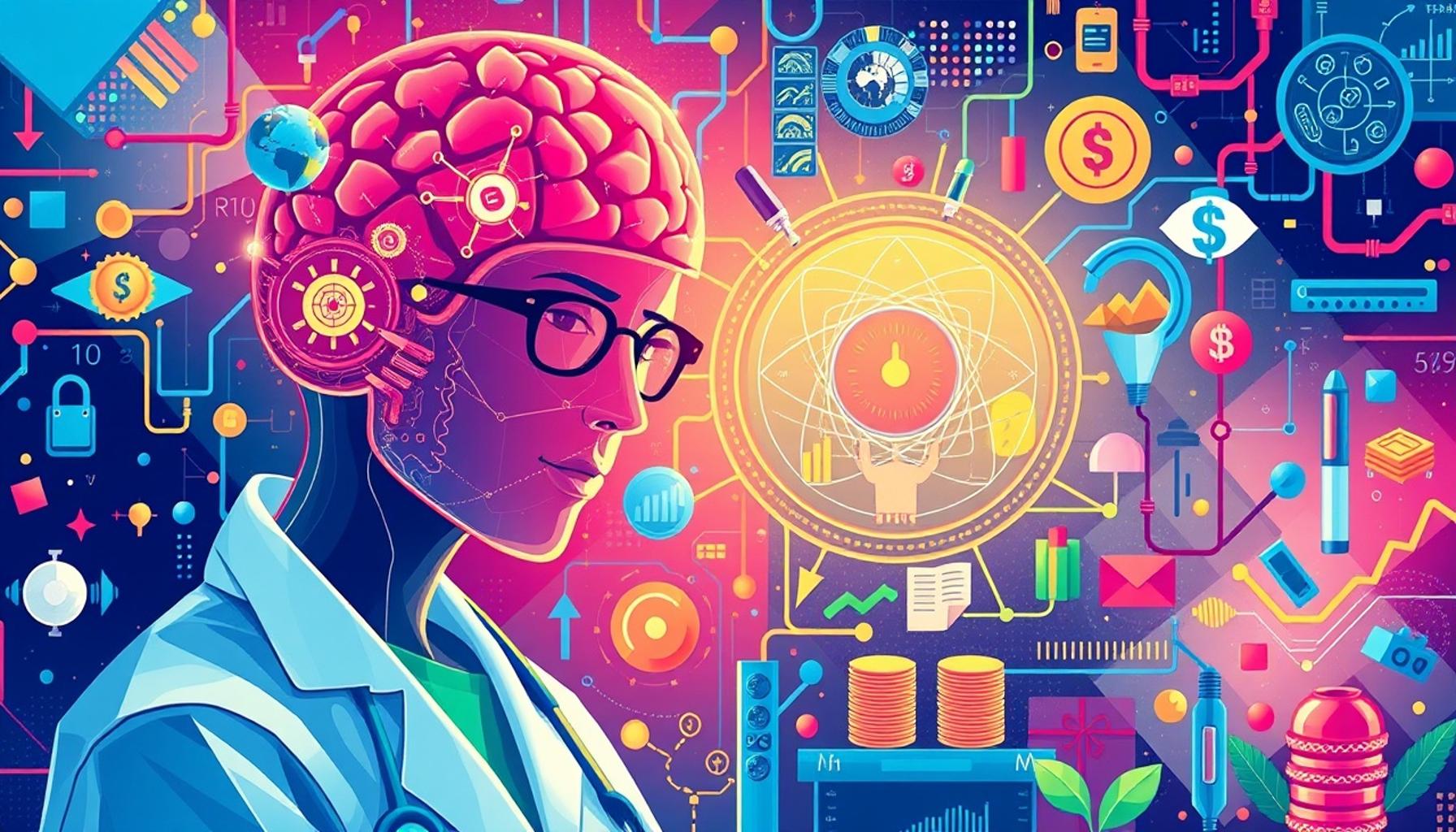
Transforming Patient Care with AI in Healthcare
Artificial intelligence (AI) has gained prominence as a transformative force within healthcare, impacting various aspects of patient care and clinical practice. The technology is not just about enhancing capabilities; it fundamentally changes how medical professionals approach diagnosis, treatment, and patient management. This evolution has immense implications for improving outcomes and efficiency in healthcare systems.
Enhanced Diagnostics
Enhanced diagnostics represent one of the most significant areas where AI is making a difference. Traditional diagnostic methods often rely on human interpretation, which can be subjective and time-consuming. In contrast, AI algorithms, particularly those using deep learning techniques, can analyze medical images like X-rays, MRIs, and CT scans at remarkable speeds. For instance, in radiology, AI tools have been shown to detect conditions such as tumors more accurately than some radiologists. According to a study published in the journal *Nature*, an AI system was able to outperform human experts in identifying breast cancer in mammograms, thus reducing false negative rates significantly.
Predictive Analytics
Predictive analytics is another area where AI is proving invaluable. By leveraging machine learning models that analyze data from various sources—such as electronic health records (EHR), lab results, and demographic information—healthcare providers can better predict patient outcomes. For example, AI algorithms can identify patients at high risk for complications during surgery, allowing for earlier interventions. This proactive approach not only enhances patient safety but also optimizes resource allocation within healthcare systems.
Personalized Treatment Plans
AI is also revolutionizing treatment through personalized treatment plans, which are tailored to individual patients based on comprehensive data analysis. By evaluating factors like genetic makeup, lifestyle, and pre-existing conditions, AI systems can propose customized treatment options. An example can be seen in oncology, where AI can help doctors select the most effective chemotherapy regimen based on a patient’s specific tumor characteristics, leading to better survival rates and fewer side effects.
Additional Benefits of AI in Healthcare
The benefits of AI in healthcare extend beyond mere clinical applications. It also promotes cost reduction by streamlining processes that can lead to lower expenses for both providers and patients. For example, AI can automate administrative tasks that often consume a substantial portion of healthcare budgets, allowing healthcare providers to allocate resources more effectively.
Better patient engagement is another critical aspect where AI shines. AI-powered applications, such as chatbots and digital health assistants, facilitate seamless communication between healthcare professionals and patients. This technology enables patients to receive timely advice, schedule appointments, and manage medications effectively, ultimately leading to improved adherence to treatment protocols.
Furthermore, real-time monitoring through wearable devices equipped with AI capabilities offers continuous tracking of vital health metrics such as heart rate and glucose levels. This real-time data can alert physicians to potential health issues before they escalate, providing opportunities for immediate intervention.
These advancements are more than just innovative concepts; they are already making a tangible impact on healthcare systems across the United States. By exploring the groundbreaking technologies driving this transformation, we can gain a deeper understanding of healthcare’s future and the essential role that artificial intelligence plays within it.
DISCOVER MORE: Click here to learn about the influence of AI on the 2024 elections
A New Era of Medical Imaging
One of the most profound transformations brought about by artificial intelligence (AI) is in the field of medical imaging. AI-driven imaging diagnostics enable healthcare professionals to analyze imaging data with unprecedented precision and speed. By utilizing advanced machine learning techniques, AI systems can assist in detecting early signs of diseases that are often missed during manual examinations, thereby enhancing overall patient care.
How AI Enhances Imaging Diagnostics
The integration of AI in imaging has led to a range of benefits, including:
- Improved accuracy: AI algorithms can learn from vast datasets, making them adept at identifying patterns in images that may indicate the presence of diseases such as pneumonia, fractures, or cancers.
- Reduced turnaround times: With AI technology, the time taken to interpret images has significantly decreased, allowing radiologists to focus on more complex cases and improving workflow efficiency.
- Consistency: AI tools eliminate the variations that often occur with human interpretation, providing more consistent diagnostic outputs that enhance trust among healthcare providers.
For example, a recent advancement showcased an AI model that successfully identified diabetic retinopathy in retinal images, a condition that could lead to blindness if not detected early. This kind of timely identification empowers patients to seek treatment sooner, potentially preserving their vision and overall quality of life.
AI in Genomic Medicine
Another groundbreaking area is genomic medicine, where AI is used to analyze genetic data to personalize treatment approaches. AI enables the effective processing of large genomic datasets, uncovering critical insights about how individual genetic variations impact health and disease. For instance, through machine learning algorithms, AI can identify mutations in genes that could make a patient predisposed to certain conditions, such as inherited cancers.
By integrating genomic data with clinical information, healthcare providers can develop targeted therapies that cater to the unique genetic profile of each patient. This precision medicine approach not only boosts treatment efficacy but also minimizes adverse side effects by ensuring that patients receive the therapies most suited to their individual health needs.
AI Enhancing Clinical Decision-Making
Beyond diagnostics and genomics, AI plays a crucial role in clinical decision support systems. These systems are designed to assist healthcare providers in making informed decisions during patient care. By analyzing clinical data and suggesting evidence-based recommendations, AI can help clinicians choose appropriate treatment pathways, thus reducing variability in care and enhancing patient safety.
For example, AI algorithms can review existing medical literature and patient history to propose the best treatment options for a specific condition. They can also alert doctors to potential drug interactions or allergies based on a patient’s medical history, significantly enhancing patient safety.
In summary, the impact of AI on health is profound and multi-faceted, redefining how diagnostics, treatment planning, and patient management occur. As these technologies continue to evolve and become more integrated into clinical workflows, the future of healthcare appears increasingly promising, with a substantial emphasis on precision, efficiency, and improved patient outcomes.
DISCOVER MORE: Click here to learn about the impact of digitalization on the financial sector
Revolutionizing Patient Care with AI
Artificial intelligence is not only transforming diagnostics and treatment development; it is also reshaping the way patient care is delivered. By integrating AI technologies into healthcare systems, providers can offer more personalized and responsive services that align with the needs of individual patients. This shift towards highly tailored care represents a fundamental change in the healthcare landscape.
AI-Driven Virtual Health Assistants
One of the most notable innovations in AI-powered patient engagement is the advent of virtual health assistants. These AI-driven chatbots and applications can handle a range of tasks, from appointment scheduling to providing medication reminders and answering basic health queries. For example, a virtual assistant can help a patient track their symptoms and provide advice on when to seek care, thereby streamlining the healthcare process and reducing unnecessary visits to the hospital.
In a study conducted in the United States, it was found that patients utilizing virtual health assistants reported higher satisfaction rates due to the convenience and accessibility these tools provide. This technology not only improves patient engagement but also reduces the administrative burden on healthcare providers, enabling them to focus more on delivering quality care.
AI in Predictive Analytics
Another significant contribution of AI in healthcare is in the realm of predictive analytics. By analyzing large datasets from electronic health records, AI can identify trends and predict outcomes for patient populations. For instance, predictive models can forecast hospital readmission rates, allowing providers to implement preventive measures for high-risk patients.
These predictive capabilities are already making waves in managing chronic diseases like diabetes and heart conditions. AI algorithms can analyze factors such as a patient’s lifestyle, medication adherence, and historical health data to predict potential complications. With this early identification, healthcare teams can intervene sooner, often leading to better health outcomes and lower healthcare costs.
Enhancing Workflow Efficiency
The integration of AI in administrative workflows is another critical aspect of enhancing healthcare delivery. AI can automate routine tasks such as data entry, billing, and appointment scheduling. This automation not only reduces the likelihood of errors but also frees up valuable time for healthcare professionals to devote to direct patient care.
A case in point is the use of AI in processing insurance claims. AI can quickly and accurately assess claims against predefined criteria, reducing the time taken for approval and facilitating faster reimbursement for healthcare providers. As a result, hospitals and clinics can operate more efficiently and redirect those resources toward improving patient care.
Additionally, AI tools can help in managing patient flow in hospitals. By analyzing data on patient admissions and treatments, AI can aid in predicting peak times, optimizing staffing levels, and ensuring that critical resources are available when needed most.
Overall, the ongoing integration of AI into patient care is transforming healthcare into a more patient-centered system. By enhancing accessibility, personalizing experiences, and streamlining operations, AI is paving the way for more efficient and effective healthcare delivery for everyone involved.
LEARN MORE: Click here to discover effective tax planning strategies
Conclusion
The integration of artificial intelligence into healthcare is undeniably a transformative force that reshapes the future of medical care. By enhancing patient engagement through tools like virtual health assistants, AI offers convenient access to healthcare resources, ultimately leading to improved patient satisfaction and reduced operational burdens on healthcare providers. Furthermore, the utilization of predictive analytics enables healthcare professionals to foresee potential complications, leading to timely interventions that can greatly improve patient outcomes for chronic diseases.
AI is also streamlining administrative tasks within healthcare settings, resulting in increased efficiency and allowing providers to dedicate more time to patient care. The automation of tasks such as data entry and billing not only mitigates human error but also accelerates processes like insurance claims, ensuring smoother operations in hospitals and clinics. This is crucial in an era where resource allocation and operational excellence can significantly impact the quality of care delivered.
As we continue to witness the advancements in AI technology, it’s essential to consider ethical implications and ensure that these innovations are implemented in a way that prioritizes patient privacy and safety. Looking ahead, the ongoing collaboration between healthcare professionals and AI technologies promises to further enhance the quality and accessibility of healthcare services. By embracing these innovations, we stand on the brink of a new era in healthcare, one that is more personalized, efficient, and focused on the well-being of patients across the United States.

Linda Carter
Linda Carter is a writer and expert known for producing clear, engaging, and easy-to-understand content. With solid experience guiding people in achieving their goals, she shares valuable insights and practical guidance. Her mission is to support readers in making informed choices and achieving significant progress.