

The Impact of AI Technologies on the Global Economy
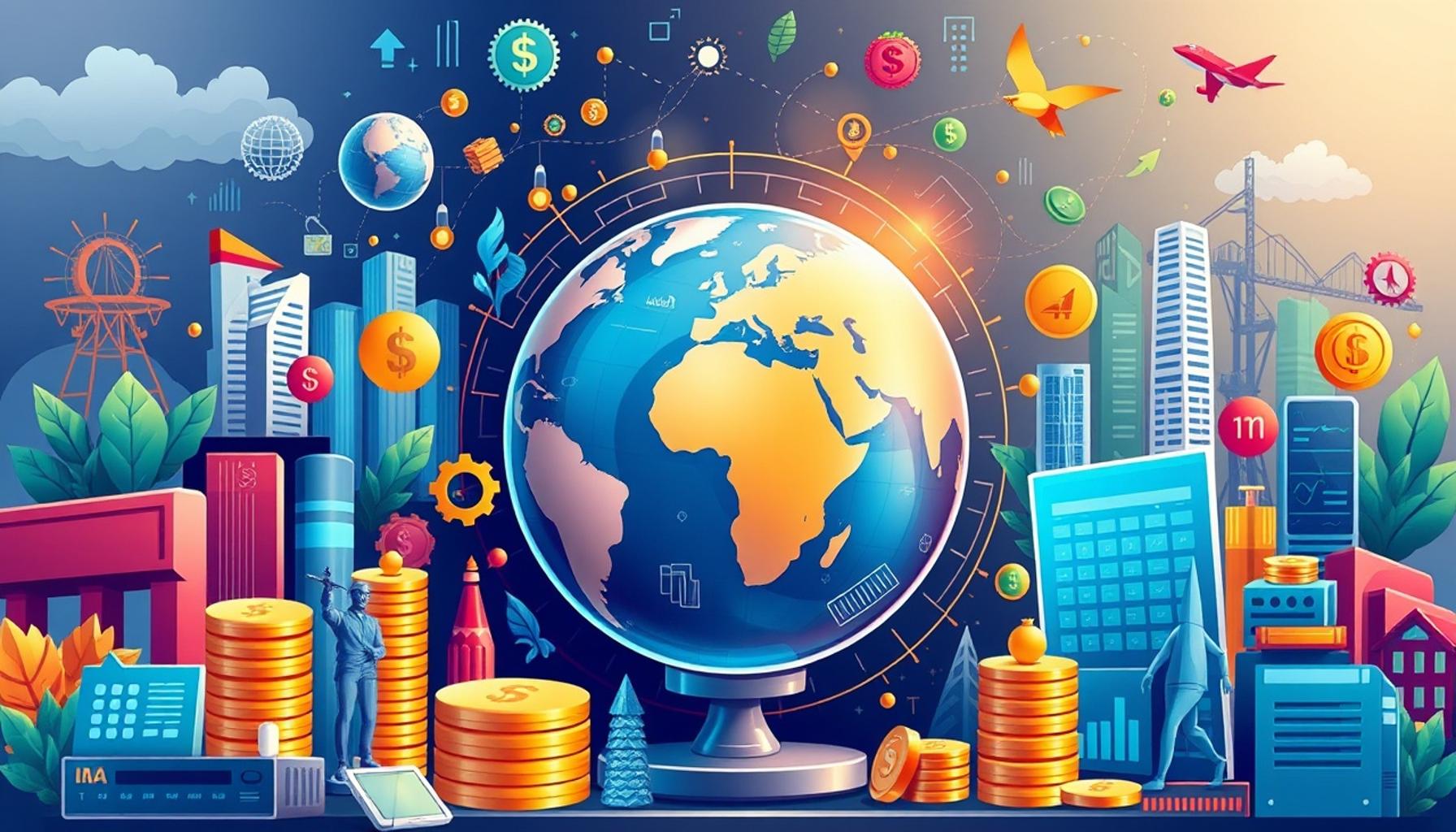
The Transformative Power of AI in Economic Sectors
Artificial Intelligence (AI) has evolved beyond being a mere technological novelty; it is a transformative force that is reshaping economies around the globe. As businesses from various sectors adopt AI technologies, we can observe significant shifts that influence not only corporate dynamics but also our daily lives. These profound effects can be categorized into several pivotal areas of impact.
- Job Creation and Displacement: While AI can automate routine tasks in fields like manufacturing and customer service, it also generates new jobs. For instance, roles in technology, robotics, and data analysis are on the rise. Consider the emergence of AI ethics specialists who guide companies on responsible AI deployment. Additionally, industries like healthcare require data scientists to harness AI for predictive analytics, improving patient outcomes. This evolution underscores the dual nature of AI’s impact: while some roles may become obsolete, new opportunities are created, necessitating reskilling and adaptive learning.
- Increased Efficiency: Companies employing AI technologies are experiencing remarkable boosts in efficiency. For example, in the retail sector, AI-powered inventory management systems can predict demand fluctuations, helping businesses reduce waste and minimize stockouts. Automation of repetitive tasks allows employees to focus on creative problem-solving and customer engagement, leading to overall cost reduction and heightened productivity. An example is Amazon’s use of AI for optimizing logistics and delivery systems, which has significantly accelerated its fulfillment capabilities.
- Innovation and Growth: AI is a catalyst for innovation, leading to the creation of novel products and services. In finance, algorithms analyze market trends and consumer behavior, enabling personalized banking experiences. Companies like Square utilize AI to facilitate user-friendly payment solutions, spurring economic growth through enhanced entrepreneurship. Furthermore, sectors such as agriculture are leveraging AI for precision farming techniques, optimizing crop yields and resource usage, contributing to sustainable growth.
As we progress through the complexities of this AI-driven landscape, it is essential to understand how AI impacts industries, national economies, and personal experiences. From groundbreaking advancements in healthcare to AI-driven financial advisories, every sector is undergoing significant transformation fueled by these intelligent systems. The implications of these changes are profound, stretching beyond corporate profitability to influence social structures and labor markets.
This article aims to delve deeper into the modern dynamics of AI and its extensive influence on the global economy. By examining real-world examples, we strive to elucidate how these technologies are reshaping the future of work, commerce, and our everyday lives, offering a broader understanding of the opportunities and challenges that lie ahead.
DON’T MISS OUT: Click here to discover how to get free products on Shein
Understanding the Economic Shifts Triggered by AI
The integration of Artificial Intelligence (AI) into various industries is not merely a trend; it signifies a profound transformation in how businesses operate and compete. This shift is ushering in a new economic landscape characterized by significant changes in productivity, decision-making, and customer interaction. To grasp the magnitude of this transformation, it’s essential to break down the specific areas where AI technologies are making an impact.
- Enhanced Decision-Making: AI systems provide businesses with powerful data analysis capabilities, enabling them to make informed decisions swiftly. For instance, companies like Walmart utilize AI-driven analytics to optimize pricing strategies based on real-time sales data and market demand. This approach allows them to respond rapidly to shifts in consumer behavior, ensuring competitive pricing and improved customer satisfaction. By leveraging AI for decision-making, businesses are not just reacting to trends; they are anticipating them.
- Supply Chain Optimization: Efficient management of supply chains is crucial for maintaining profitability in today’s globalized economy. AI technologies streamline supply chain processes by predicting supply and demand with remarkable accuracy. For example, companies such as Procter & Gamble utilize AI to forecast inventory needs, which helps in reducing excess stock and ensuring that products are available when consumers want them. This predictive capability not only lowers operational costs but also enhances customer trust by ensuring product availability.
- Personalization in Marketing: AI is revolutionizing how companies engage with their customers through personalized marketing strategies. By analyzing vast amounts of customer data, businesses can tailor their marketing efforts to individual preferences. For example, Netflix uses AI algorithms to recommend content based on viewing patterns, significantly enhancing user experience and engagement. This targeted approach not only improves customer satisfaction but also drives sales through higher conversion rates.
- Global Competitiveness: As companies adopt AI technologies, the competitive landscape shifts. Firms that harness AI effectively can gain a significant advantage over those that do not. For instance, Tesla’s use of AI in autonomous vehicle development positions it ahead of traditional car manufacturers. This technological edge not only boosts profitability for Tesla but also influences the entire automotive industry’s approach to innovation, pushing competitors to adapt or risk obsolescence.
The ripple effects of AI are evident not just at the corporate level but also at the broader economic scale. As businesses strive to leverage AI for competitive advantage, nations must become more aware of their innovation ecosystems. Governments are exploring policies to foster AI research and development to keep their economies viable in the face of global competition.
Understanding these shifts is key for workers and businesses alike. As the demand for new skills emerges, there is a pressing need for educational institutions and employers to collaborate on training programs that equip individuals with the capabilities needed to thrive in an AI-driven economy. The potential for growth and innovation is enormous, but it comes with the responsibility of preparing the workforce for the changes ahead.
In the following sections, we will explore specific examples of how AI is influencing various sectors and what this means for the future of the global economy.
DISCOVER MORE: Click here to delve deeper
Transforming Industries Through Automation
Automation, powered by AI, is fundamentally reshaping industries by optimizing operations, reducing costs, and enhancing efficiency. This transformation can be observed in various sectors, such as manufacturing, healthcare, and finance. Let’s delve into how AI is leading this wave of automation and what implications it holds for the global economy.
- Revolutionizing Manufacturing: In manufacturing, AI-driven automation is significantly increasing production efficiency. For example, companies like Siemens employ AI-powered robots that can perform complex assembly tasks at a fraction of the time compared to human workers. These robots not only enhance productivity but also minimize errors, leading to higher quality products. As a result, manufacturers can scale operations more effectively, reducing the cost per unit and making goods more affordable for consumers.
- Enhancing Healthcare Delivery: The healthcare sector is experiencing a transformative impact from AI technologies. AI algorithms can process vast amounts of medical data to assist in diagnostics, treatment planning, and patient management. For instance, IBM’s Watson has demonstrated remarkable capabilities in analyzing medical literature and patient data to recommend personalized treatment options for cancer patients. This leading-edge technology not only boosts efficiency but also has the potential to improve patient outcomes, which in turn reduces healthcare costs for individuals and systems alike.
- Transforming Financial Services: In finance, AI is reshaping how institutions operate, from risk assessment to fraud detection. Financial firms are adopting AI-driven tools that analyze transaction patterns to identify suspicious activities in real-time. For example, Mastercard utilizes AI algorithms to monitor transactions and flag anomalies, helping prevent fraud before it occurs. This proactive approach enhances safety for consumers while also minimizing losses for financial institutions, ultimately contributing to a more stable economy.
- Job Transformation and Creation: While AI automation brings concerns regarding job displacement, it also opens up new opportunities. As certain roles become obsolete, others emerge that require technical skills and creativity. For instance, the demand for data scientists, AI specialists, and machine learning engineers is rising sharply. Educational institutions and training programs are essential in addressing this shift, ensuring workers are equipped with the skills necessary for these new roles. By fostering a workforce capable of working alongside AI, economies can leverage this technology while driving innovation.
Moreover, the international landscape is also evolving in response to AI advancements. Countries heavily investing in AI technology are positioning themselves as leaders in the global economy. For instance, China and the United States are competing for dominance in AI research and development, driving innovation that has widespread economic implications. Nations that successfully harness AI technology are likely to experience accelerated growth, positioning themselves strategically in the global marketplace.
As this shift unfolds, it raises critical questions regarding regulation and ethics. Policymakers must navigate the challenges that accompany these advancements, ensuring that AI deployment promotes fair economic practices and protects consumers’ interests. Establishing guidelines governing AI usage could mitigate potential risks and safeguard against any adverse effects on the labor market.
In conclusion, the impact of AI technologies on the global economy is profound, driving significant changes across various sectors. By understanding the transformative potential of AI and preparing for its implications, businesses, workers, and governments can work collaboratively to harness its benefits and shape a prosperous future.
DISCOVER MORE: Click here to learn about AI’s impact on healthcare
Conclusion
As we have explored, the impact of AI technologies on the global economy is not only extensive but also multifaceted. The ability of AI to automate processes, enhance productivity, and transform industries like manufacturing, healthcare, and finance indicates a shift towards a more efficient economic landscape. While job displacement remains a genuine concern, it is essential to recognize the new opportunities that arise from this technological evolution. The demand for skilled professionals in AI-related fields highlights the need for effective education and training, enabling the workforce to adapt to changing job requirements.
Moreover, the competitive landscape between nations investing heavily in AI signifies a strategic shift that could redefine global partnerships and economic dominance. As countries like the United States and China vie for leadership in AI advancements, the implications for innovation and economic growth become increasingly significant.
However, with these advancements come numerous challenges, including ethical considerations and the necessity for robust regulatory frameworks. Policymakers must ensure that AI deployment fosters not just economic growth but also fair practices that protect consumers and the workforce.
In conclusion, by proactively addressing the implications of AI technologies, we can leverage their benefits to create a more prosperous and equitable future. The AI revolution presents a unique opportunity for all stakeholders to collaborate, ensuring that the global economy not only thrives but does so in a manner that benefits society as a whole.

Linda Carter
Linda Carter is a writer and expert known for producing clear, engaging, and easy-to-understand content. With solid experience guiding people in achieving their goals, she shares valuable insights and practical guidance. Her mission is to support readers in making informed choices and achieving significant progress.

