

The Future of Mobility: Innovations in Electric and Autonomous Vehicles
Understanding the Transformation in Transportation
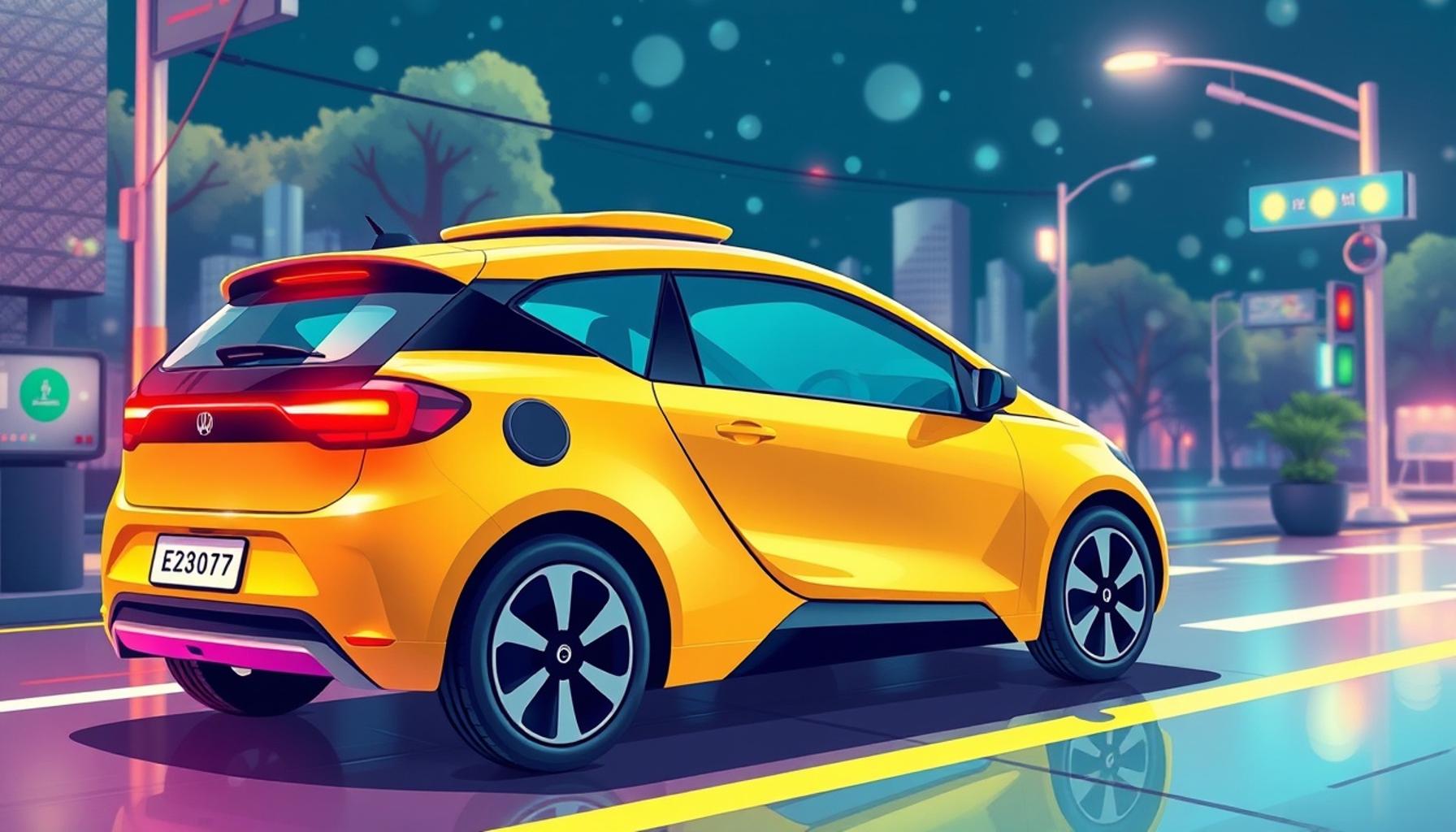
The world of transportation is evolving at an unprecedented pace, largely due to groundbreaking technological advancements. The advent of electric and autonomous vehicles signifies more than just new modes of transport; it’s a revolution that has the potential to redefine our commuting experiences.
Electric Vehicles (EVs) are one of the most visible changes in transportation today. With growing concerns about climate change, the shift toward EVs is essential for reducing emissions. Unlike traditional gasoline-powered vehicles, EVs run on electricity, leading to a marked decline in greenhouse gas emissions. For instance, a report by the U.S. Department of Energy indicated that EVs can reduce emissions by up to 70% compared to their gasoline counterparts. Moreover, the long-term savings on fuel costs can be substantial, as electricity typically is more affordable than gasoline. Consider the case of California, where state incentives can cover a significant portion of the initial purchase price of EVs, making them an attractive option for consumers.
The rise of Autonomous Driving Technology introduces another layer of innovation. Self-driving cars utilize a combination of sensors, cameras, and artificial intelligence to navigate roads without human intervention. This technology strives not only for convenience but also for increased safety. A statistic from the National Highway Traffic Safety Administration suggests that approximately 94% of serious crashes are due to human error. By removing the human element, autonomous vehicles have the potential to drastically reduce traffic accidents and fatalities. Companies like Waymo and Tesla are already leading this charge, with their vehicles exhibiting impressive levels of automation and safety features.
Smart Infrastructure is a critical component that underpins the growth of electric and autonomous vehicles. As more EVs hit the roads, the need for easily accessible charging stations becomes paramount. Cities are developing smart grids and connected charging points that create an efficient ecosystem for EV owners. For example, in cities like San Francisco, strategic planning has led to the installation of charging stations throughout the city, allowing drivers to recharge while they work or shop, thus integrating EVs seamlessly into daily life.
Overall, the transition to this new mobility era involves support from both governments and private sectors. Initiatives such as federal tax credits for EV purchases and investments in charging infrastructure from companies like ChargePoint encourage the growth of this sector. As consumers, we can look forward to a future filled with greater accessibility, convenience, and sustainability. By embracing these innovations, we are not just adopting new technologies; we are participating in a significant shift toward a more responsible and efficient way of moving around our communities.
As we delve deeper into these developments throughout the following sections, we will uncover how electric and autonomous vehicles, alongside smart infrastructure, are not just future possibilities, but current realities shaping our everyday lives.
DIVE DEEPER: Click here to discover how technology is reshaping tax planning
Electric Vehicles: Driving Change in the Market
As we explore the future of mobility, it becomes evident that electric vehicles (EVs) are at the heart of this transformation. Their rise can be attributed to a convergence of environmental concerns, technological advancements, and government initiatives supporting cleaner transportation. Today’s EVs are not just a greener alternative; they are becoming increasingly accessible and appealing to consumers across the United States.
The growing popularity of EVs is partly fueled by the significant improvements in battery technology. Modern batteries have higher energy densities, allowing for longer ranges on a single charge. For instance, the latest models from manufacturers like Tesla and Ford can achieve ranges exceeding 300 miles. This addresses one of the initial setbacks of EVs: range anxiety, or the fear of running out of battery power before reaching a charging station. Range anxiety is diminishing as more charging infrastructures are being installed, making EVs a more feasible choice for longer trips.
Moreover, the cost of EVs is becoming competitive with traditional gasoline-powered cars. While it is true that the initial purchase price can still be higher, the overall ownership costs are significantly lower due to savings on fuel and maintenance. EVs have fewer moving parts compared to conventional vehicles, which means fewer repairs are needed over time. In addition, many states offer incentives, such as tax credits and rebates, that can lower the effective price of an EV. For example, California provides up to $7,000 in state rebates, which makes investing in an electric car even more worthwhile.
Charging Infrastructure: A Game Changer
The expansion of charging infrastructure plays a crucial role in supporting the adoption of EVs. Understanding the various types of charging stations helps illustrate the convenience offered to EV owners:
- Level 1 Charging: This uses a standard household outlet and is ideal for overnight charging at home.
- Level 2 Charging: Found in public charging stations, these can recharge an EV in about 4-6 hours, making them perfect for shopping and other errands.
- DC Fast Charging: These stations can charge an EV to 80% in as little as 30 minutes, ideal for long road trips.
In many cities, including New York and Los Angeles, the acceleration of charging station installations means that EV drivers are finding it easier than ever to charge their vehicles during everyday activities. This infrastructure investment not only supports current EV drivers but also encourages potential buyers who may have hesitated due to charging concerns.
To sum up, the future of mobility hinges on the proliferation of electric vehicles coupled with robust charging infrastructure. They are increasingly becoming an attractive option for consumers looking for sustainable transportation solutions. As the market continues to grow and evolve, electric vehicles are poised to take center stage in the transportation revolution, promoting not only individual benefits but also addressing broader environmental goals. The journey into this new mobility era is just beginning, and the excitement lies ahead as we also explore the role of autonomous technology in transforming our roads and communities.
DISCOVER MORE: Click here to learn how to build an emergency fund
Autonomous Vehicles: The Next Frontier
Autonomous vehicles (AVs) represent another pillar of the future of mobility, promising to reshuffle the landscape of transportation. As technology advances, the prospect of self-driving cars transitioning from conceptual frameworks to practical realities is rapidly approaching. Major tech companies and traditional automakers are investing heavily in AV technology, aiming to enhance safety, efficiency, and accessibility on the roads. Companies like Waymo, Uber, and Tesla are at the frontline, conducting extensive testing and research to bring fully automated vehicles to the market.
The development of AVs hinges on several critical technologies, including artificial intelligence (AI), machine learning, and advanced sensor systems. These components work together to allow vehicles to perceive their environment, make decisions, and navigate safely without human intervention. For instance, vehicles equipped with LiDAR (Light Detection and Ranging) technology can create detailed maps of their surroundings, detecting obstacles, pedestrians, and road signage, akin to how a human driver operates. This level of perception is vital for achieving full autonomy and reducing traffic-related accidents, which claim thousands of lives annually in the United States.
Benefits of Autonomous Vehicles
As we consider AVs’ integration into our daily lives, it’s essential to recognize the substantial benefits they could offer:
- Safety Improvements: According to the National Highway Traffic Safety Administration, 94% of serious crashes are caused by human error. AVs could significantly reduce accidents through accurate perception and quick decision-making.
- Traffic Efficiency: Autonomous vehicles can communicate with each other and traffic infrastructure, optimizing routes and reducing congestion. Studies suggest that AV deployment could lead to a reduction in travel times and increased fuel efficiency.
- Mobility for All: AV technology has the potential to enhance mobility for individuals unable to drive due to disabilities or age-related challenges. Self-driving vehicles could provide greater independence for many, making transportation more accessible.
However, despite the numerous advantages, there are challenges to consider. Regulatory hurdles, public acceptance, and technological failures must be addressed before AVs can be fully integrated into society. Legislators are grappling with creating appropriate frameworks for testing and deploying AV technology while ensuring public safety. Moreover, educating the public about the technology and its capabilities is crucial for fostering widespread acceptance and trust among potential users.
In urban areas, the introduction of AVs might also reshape city landscapes. With the advent of dedicated AV lanes or smart traffic signals, cities may evolve to accommodate more efficient transportation methods. This could free up parking spaces, allowing for more green spaces or community areas, fundamentally altering how we coexist within urban environments.
Ultimately, the coexistence of EVs and AVs will create a synergistic effect, paving the way for a comprehensive mobility ecosystem that values sustainability, safety, and efficiency. As these innovations unfold, we will not only witness a shift in personal mobility but also a transformation within public transportation systems, logistics, and beyond. The journey into this new era is filled with possibilities as we see how electric and autonomous vehicles will redefine our streets and lifestyle in the coming years.
DIVE DEEPER: Click here to learn more about the impact of inflation
Conclusion: Embracing a New Era of Transportation
The landscape of mobility is undeniably transforming as we embrace the potential of electric vehicles (EVs) and autonomous vehicles (AVs). These innovations are not merely technological advancements; they represent a shift towards a more sustainable, efficient, and inclusive approach to transportation. The integration of EVs into our roads contributes significantly to reducing greenhouse gas emissions and improving air quality, which is critical for combating climate change. As more cities adopt cleaner energy sources and infrastructures, the widespread adoption of electric vehicles becomes an attainable and necessary goal.
Equally important, the rise of autonomous vehicles promises to revolutionize how we experience mobility. By enhancing the safety and efficiency of our transportation systems, AVs hold the potential to decrease the staggering number of accidents caused by human error and improve traffic flow in congested urban environments. Moreover, they could redefine accessibility, offering transportation solutions for individuals unable to drive, thereby fostering greater independence.
However, moving forward requires us to be mindful of the challenges ahead, such as regulatory policies, public trust, and the adaptability of our infrastructure. Education and community engagement will play a crucial role in this transition, ensuring that all stakeholders are informed and involved in shaping our mobility future.
As we look ahead, it is clear that the coexistence of electric and autonomous vehicles will not only redefine how we commute but also how we live and interact within our communities. By embracing these innovations, we are not just adopting new technologies; we are actively participating in a collective movement towards a safer, cleaner, and more equitable future in transportation.

Linda Carter
Linda Carter is a writer and expert known for producing clear, engaging, and easy-to-understand content. With solid experience guiding people in achieving their goals, she shares valuable insights and practical guidance. Her mission is to support readers in making informed choices and achieving significant progress.

