Innovations in Cybersecurity: Protecting Data in a Connected World
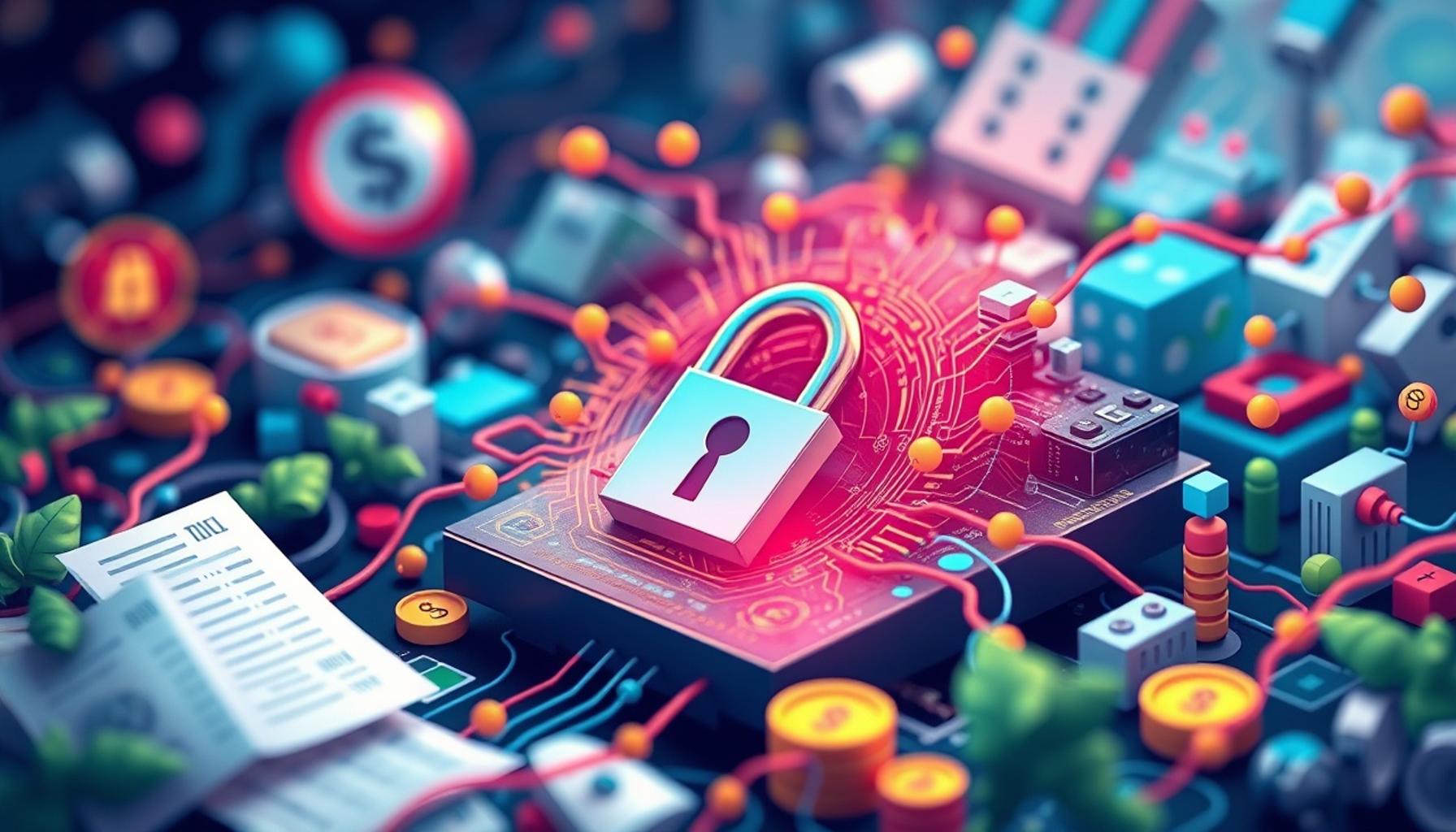
The Importance of Data Protection in a Digital World
In an era dominated by technology, data has become one of the most valuable assets for businesses and individuals alike. From personal information to proprietary company secrets, the protection of sensitive data is paramount. With cyber threats such as ransomware, identity theft, and data breaches on the rise, organizations across the globe are prioritizing cybersecurity strategies to fend off potential attacks and protect vital information.
Innovative solutions are continuously emerging in the field of cybersecurity, significantly transforming how data is secured. This evolution is driven not only by the growing frequency of cyber attacks but also by the advancement of technology itself. Below are several key innovations making waves in the industry:
- Artificial Intelligence: AI technologies are being employed to enhance real-time threat detection and response capabilities. For example, machine learning algorithms can analyze user behavior and identify anomalies that suggest a potential security breach. This proactive approach allows organizations to address threats before they escalate, making cybersecurity measures more efficient and responsive.
- Encryption Advances: As a vital component of data security, sophisticated encryption techniques are being developed to protect data both at rest and in transit. Techniques such as quantum encryption provide heightened security that is nearly impossible to crack, shielding sensitive information from unauthorized access. For instance, financial institutions use encryption to secure online transactions and protect customer data during exchanges.
- Multi-Factor Authentication: Implementing multi-layered security mechanisms, such as two-step verification processes, enhances user verification and access control. By requiring users to provide multiple forms of identification—such as a password followed by a text message code—organizations drastically reduce the risk of unauthorized access. This is especially important in industries handling sensitive patient health records or financial information.
Furthermore, the human element in cybersecurity cannot be overlooked. Organizations must invest in employee training programs that raise awareness about phishing attacks, which exploit human error to gain access to secure information. For example, simulated phishing exercises can help employees recognize and respond appropriately to suspicious emails, thereby reducing the likelihood of successful attacks.
In addition to technology, strong regulatory frameworks and compliance measures play a significant role in shaping effective cybersecurity practices. Organizations must stay informed about laws such as the General Data Protection Regulation (GDPR) and the Health Insurance Portability and Accountability Act (HIPAA), ensuring they meet industry standards while protecting consumer rights.
As we move deeper into the digital age, understanding and implementing these innovative solutions will empower both businesses and individuals to defend against the evolving landscape of cyber threats. In the following sections, we will delve into each of these advancements, examining their implications for the future of cybersecurity and the integral role they play in safeguarding our data.
DISCOVER MORE: Click here to learn about sustainable investment trends
Advancements in Cybersecurity Technology
The rapid evolution of technology has not only transformed the way we conduct business and communicate but has also opened new avenues for malicious activities targeting sensitive data. As organizations grapple with the complexity of this digital landscape, they are increasingly relying on innovative cybersecurity technologies to safeguard their data. Let’s explore a few groundbreaking advancements that are reshaping the cybersecurity realm.
Artificial Intelligence and Machine Learning
One of the most prominent innovations in cybersecurity is the application of artificial intelligence (AI) and machine learning. These technologies leverage vast datasets to identify patterns and provide real-time analysis of security threats. For example, AI systems can autonomously monitor network traffic for unusual activities, such as a sudden surge in data transfers that could indicate a breach. This proactive approach not only makes incident response faster but also reduces the volume of false alarms, allowing IT teams to focus on genuine threats.
Additionally, organizations like banks and e-commerce platforms utilize AI-driven fraud detection to analyze transaction data and flag suspicious activity. This automation helps them act quickly, protecting both their assets and their customers’ information from potential fraud.
Advanced Encryption Techniques
Encryption remains a cornerstone of data protection, and recent advancements have introduced more robust methods. Quantum encryption, for instance, utilizes the principles of quantum mechanics to create nearly unhackable communication channels. By employing quantum key distribution (QKD), organizations can ensure that any attempt at interception would be apparent, as it alters the state of the quantum particles involved. This level of security is particularly beneficial for institutions dealing with highly sensitive information, such as defense contractors and government agencies.
Moreover, end-to-end encryption is now commonplace in consumer applications, including messaging services like WhatsApp. This means that only the sender and recipient can access the messages, adding an extra layer of privacy and protection against third-party access.
Multi-Factor Authentication (MFA)
Another significant advancement is the implementation of multi-factor authentication (MFA), which adds additional layers of security beyond simple passwords. By requiring users to provide multiple forms of verification—such as biometric data (fingerprint or facial recognition), security tokens, or one-time codes sent to their mobile devices—organizations effectively minimize the risk of unauthorized access. For instance, in financial services, MFA ensures that only the account holder can access their information, significantly reducing instances of identity theft.
As these innovations prove effective, their adoption across various industries is expected to increase, further enhancing data security measures. However, it is crucial to remember that technology alone cannot fully eliminate risks. Organizations must complement these advancements with comprehensive cybersecurity training for their employees, ensuring they remain vigilant against potential threats.
With each technological leap, the landscape of cybersecurity continues to evolve. Understanding and implementing these innovative strategies will empower businesses and individuals alike to better protect their data in an increasingly connected world. In the next section, we will further explore the importance of training and regulatory frameworks in bolstering cybersecurity defenses.
DISCOVER MORE: Click here to learn how to adapt your budget
Emerging Strategies for Cybersecurity Resilience
As cyber threats continue to grow in complexity and frequency, organizations are exploring emerging strategies to bolster their cybersecurity resilience. These approaches transcend traditional defense mechanisms, emphasizing a holistic and proactive stance to data protection. Here, we will examine some of these innovative strategies that are making waves in the cybersecurity landscape.
Zero Trust Architecture
One of the most significant trends gaining traction is the Zero Trust architecture. The core tenet of this approach is the principle of “never trust, always verify.” In a Zero Trust model, every user, device, and network flow is treated as potentially untrustworthy, regardless of whether they are inside or outside the organizational perimeter. This approach reduces the risk of insider threats and ensures that even users with prior access must constantly authenticate their identity.
For instance, companies like Microsoft have embraced Zero Trust principles to enhance their security protocols. By segmenting networks and implementing strict access controls, these organizations limit the potential damage from a breach, should one occur. This architecture also integrates continuous monitoring and risk assessment, allowing organizations to adapt their security measures in real-time based on threat intelligence.
Threat Intelligence Sharing
Another vital advancement in cybersecurity is the establishment of threat intelligence sharing among organizations. This collaborative effort enables companies to exchange information about known threats, vulnerabilities, and attack strategies. By sharing this critical data, organizations can better anticipate and defend against emerging threats.
For example, sectors such as finance and healthcare have implemented information-sharing platforms that allow entities to report and learn from security incidents. The Financial Services Information Sharing and Analysis Center (FS-ISAC) and the Health Information Sharing and Analysis Center (H-ISAC) are notable examples of such initiatives. This collective approach not only enhances individual security measures but also strengthens the overall cybersecurity posture of entire industries.
Behavioral Analytics
Companies are increasingly adopting behavioral analytics to identify potential threats based on user behavior patterns. This technique utilizes machine learning algorithms to establish a baseline of normal user behavior and detect deviations that may indicate malicious activity. For instance, if an employee who typically logs in from a specific location suddenly accesses sensitive data from an unfamiliar device in a different country, the system can trigger alerts for further investigation.
Adopting behavioral analytics helps organizations mitigate insider threats and protect sensitive data from external attackers. Additionally, this approach can reduce response times to incidents by providing security teams with actionable insights and contextual information.
Cybersecurity Mesh
The concept of a cybersecurity mesh is another innovation gaining momentum. This strategy emphasizes interoperability between various security solutions and platforms, allowing organizations to create a flexible and integrated security framework. By connecting disparate security tools—such as firewalls, cloud security applications, and endpoint protection—businesses can operate a more unified defense against cyber threats.
For instance, companies leveraging a cybersecurity mesh can ensure that if an endpoint device is compromised, the information is communicated across the network in real-time, triggering immediate defensive measures. Such interconnectivity can help organizations create a more resilient infrastructure, minimizing vulnerabilities across multiple points of entry.
As these emerging strategies demonstrate, the cybersecurity landscape is evolving to meet the challenges posed by an increasingly interconnected world. Organizations adopting these innovative measures will be better equipped to protect their critical data and assets from relentless cyber threats. The focus now shifts to how we can further strengthen the workforce through education and regulatory compliance, fostering a culture of cybersecurity awareness.
DIVE DEEPER: Click here to discover the impact of AI on the global economy
Conclusion
As we move forward in an increasingly interconnected world, the role of innovations in cybersecurity has transformed from optional enhancements to essential safeguards for our data and digital assets. The strategies highlighted, including Zero Trust architecture, threat intelligence sharing, behavioral analytics, and a cybersecurity mesh, introduce a significant advancement towards a more comprehensive and proactive stance against cyber risks.
For instance, the Zero Trust architecture assumes that threats can originate from both inside and outside the organization, thus requiring continuous verification of users and devices attempting to access resources. This is a departure from traditional perimeter-based security models, which may leave organizations vulnerable to internal threats. A practical example of this is how companies like Google have implemented Zero Trust principles to protect their sensitive data from unauthorized access effectively.
Furthermore, threat intelligence sharing fosters collaboration among organizations, allowing them to collectively respond to cyber threats more effectively. By sharing valuable information about threats, organizations can better prepare and safeguard their assets. For example, the Financial Services Information Sharing and Analysis Center (FS-ISAC) is an initiative where financial institutions exchange information related to cyber threats, enhancing their collective security posture.
Equally important is the implementation of behavioral analytics. This technology monitors user behavior to detect anomalies that may indicate a security breach. For instance, if an employee suddenly accesses sensitive information at unusual hours, behavioral analytics can alert IT security, allowing for a swift response to potential threats.
The concept of a cybersecurity mesh also provides a flexible, modular approach to securing digital assets, facilitating better protection as organizations expand their digital landscapes. This method allows businesses to adapt to new environments and technologies without compromising security.
Moreover, these innovations illustrate the critical need for a cultural shift within organizations, where cybersecurity becomes a shared responsibility. By promoting ongoing education and awareness at all levels—from executive leadership to entry-level employees—organizations can cultivate a vigilant workforce that actively participates in safeguarding against potential breaches.
Finally, prioritizing regulatory compliance is fundamental. Adherence to regulatory frameworks ensures that organizations remain vigilant and proactive in identifying and mitigating emerging risks. For instance, businesses in the United States must comply with standards such as the Health Insurance Portability and Accountability Act (HIPAA) for patient information protection or the General Data Protection Regulation (GDPR) for user data privacy.
Ultimately, the future of cybersecurity hinges on an organization’s ability to innovate and adapt. By embracing these new technologies and methodologies, we can enhance our resilience against cyber threats and ensure the integrity and confidentiality of our data. In this rapidly evolving landscape, staying informed and proactive will be essential for organizations aiming to thrive in an increasingly digital age.

Linda Carter
Linda Carter is a writer and expert known for producing clear, engaging, and easy-to-understand content. With solid experience guiding people in achieving their goals, she shares valuable insights and practical guidance. Her mission is to support readers in making informed choices and achieving significant progress.